


The Nature of Luck in Gambling
Luck is often seen as an enigmatic force that influences outcomes in the world of gambling, shaping players’ experiences in profound ways. Many individuals strongly believe that their success or failure at the gaming table hinges on luck, but this perception deserves a more thorough examination. While luck can indeed inject excitement and unpredictability into betting experiences, it is essential to recognize that many outcomes in gambling, such as australian online pokies , are dictated by random chance rather than personal skill or strategic input. Understanding this distinction can help players maintain a healthier perspective on their gaming habits.
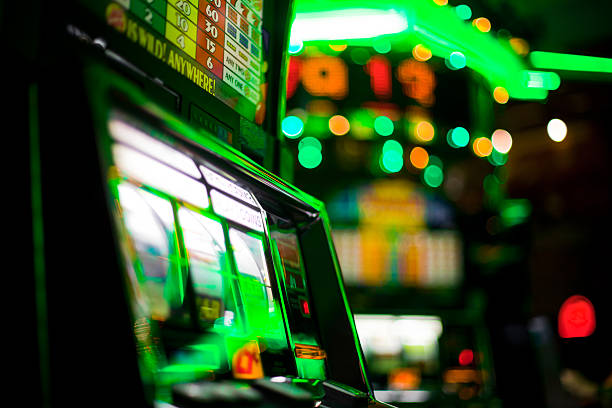
For instance, in games such as slot machines and roulette, the results are entirely random, determined by complex algorithms and established probabilities. Players might engage in rituals or carry good luck charms in hopes of attracting fortune, yet these actions have no actual bearing on the odds of winning. Recognizing that outcomes remain unaffected by superstitions or personal beliefs allows gamblers to approach their gaming experiences with a more realistic mindset. This understanding can shift their focus from an unrealistic reliance on luck to a more grounded appreciation of the inherent randomness in gambling.
Moreover, the perception of luck plays a significant role in keeping players engaged and entertained. The thrill of hitting a jackpot or winning a hand can create a powerful sense of euphoria, often leading individuals to feel that luck is on their side. However, it is crucial for gamblers to view their experiences through a balanced lens, understanding that gambling should be approached primarily as a source of entertainment, rather than a surefire avenue to financial gain. By emphasizing skill and strategy when applicable, players can adopt a more sustainable and responsible approach to their gambling activities, ultimately fostering a healthier relationship with the games they enjoy.
The Role of Skill in Gambling
While many gambling games are predominantly based on chance, a variety of games incorporate elements of skill and strategy, allowing players to exert some level of control over their outcomes. Games like poker, blackjack, and sports betting invite players to leverage their knowledge, decision-making abilities, and psychological insights to influence results. This interplay between skill and luck creates an environment where calculated risks can lead to significant rewards, debunking the myth that luck is the only factor in determining success.
Take poker, for instance. Understanding the probabilities associated with different hands, along with the ability to read opponents, is crucial for achieving success in this strategic card game. Skilled players can consistently outperform amateurs by making informed decisions based on their knowledge and experience. This example underscores the importance of skill in gambling; while luck may play a role in individual hands, a player’s expertise can substantially enhance their chances of winning over time, illustrating that while luck may be a factor, skill can be a more decisive element in the long run.

In blackjack, players can employ strategies such as card counting to gain an edge over the house. Although casinos implement countermeasures to mitigate this practice, it serves to illustrate how skill can shift the odds in a player’s favor. By investing time in learning the nuances of these games, individuals can empower themselves to make informed decisions, effectively moving beyond the misconception that luck is the sole determinant of their success in gambling. Understanding when to take risks and when to play conservatively can be the difference between a successful gambling experience and one marred by losses.
The Illusion of Control in Gambling
A significant psychological aspect many gamblers grapple with is the illusion of control, where they believe they can sway luck in their favor through various tactics. This misguided belief often leads to irrational betting patterns or superstitions, causing players to think they can influence their chances of winning. Such a mindset can be detrimental, leading to irresponsible gambling practices and substantial financial losses. For instance, the concept of “hot” and “cold” streaks can cause players to increase their bets on machines or games they perceive to be “due” for a win, despite the fact that outcomes in gambling are independent events.
This mindset is problematic because it creates a false narrative about the nature of gambling. The results of previous plays do not influence future outcomes, yet many gamblers continue to chase losses based on these unfounded beliefs. This cycle can cloud judgment and hinder the understanding of proper gambling odds, ultimately leading to more frequent losses. It’s vital for players to recognize the distinction between skillful play and the illusion of control, ensuring they maintain a realistic understanding of their chances in gambling and avoid falling prey to detrimental thinking.
Moreover, the illusion of control can exacerbate problem gambling behaviors. Individuals may construct narratives around their betting habits, convincing themselves that they can recover losses through continued play. This mentality can trap players in a cycle of chasing losses, resulting in significant financial consequences. By understanding that luck does not equate to control, gamblers can approach their gaming experiences with a more informed and responsible mindset, reducing the likelihood of developing unhealthy gambling habits and promoting a healthier relationship with their gaming activities.
Understanding the House Edge
The house edge is a fundamental concept that every gambler should grasp to navigate the gambling landscape effectively. This term refers to the mathematical advantage that casinos maintain over players, ensuring their profitability over time. By understanding the house edge, players can demystify the role of luck, highlighting how the design of games inherently favors the house, regardless of individual outcomes. This knowledge can significantly alter how one perceives luck in gambling.
For example, in a game like roulette, the presence of the zero (or double zero) gives the house its edge, skewing the true odds of winning for players. No matter how fortunate a player feels, the reality is that the house is designed to win over time. Recognizing the implications of the house edge encourages players to view gambling as a form of entertainment rather than a guaranteed path to financial success. This shift in mindset can help mitigate unrealistic expectations surrounding luck and promote responsible gaming practices.
Furthermore, understanding the house edge empowers players to make informed decisions about their gambling habits. By recognizing that not all games offer the same odds, players can prioritize games with a lower house edge to improve their chances of winning in the short term. Ultimately, becoming educated about the house edge equips gamblers with the knowledge they need to adopt a pragmatic approach to gambling, promoting responsible gaming practices and reducing reliance on luck as an uncontrollable factor in their gaming experiences.
Exploring Responsible Gambling Resources
In the realm of gambling, self-awareness and responsible habits are of utmost importance. Many players can significantly benefit from exploring available resources that promote safe gambling practices. Understanding the myths surrounding luck can aid gamblers in recognizing when they may be engaging in problematic behaviors, ensuring they maintain control over their gaming experiences. Numerous organizations and websites offer tools and support for individuals seeking to improve their gambling habits, making it essential for players to be aware of these resources.
Education plays a vital role in fostering a responsible gambling environment. Websites dedicated to gambling education provide insights into odds, strategies, and the psychological aspects of betting. These resources empower players with knowledge that ultimately leads to more informed choices. Being aware of personal limits and seeking assistance can greatly enhance the enjoyment of gambling, transforming it into a healthy pastime rather than a potential risk. This proactive approach can help players navigate the complexities of gambling while safeguarding their well-being.
In conclusion, while luck undeniably holds a place in the realm of gambling, the misconceptions surrounding it can lead to flawed perceptions and irresponsible behaviors. By shedding light on these myths and educating oneself about the mechanics of gambling, players can adopt a more balanced approach. Responsible gambling is about recognizing the inherent risks, appreciating the entertainment value, and utilizing available resources to ensure a safe and enjoyable experience for everyone involved. Emphasizing education, awareness, and responsible behavior can ultimately enhance the gambling experience, allowing players to enjoy their favorite games while minimizing the potential for negative consequences.